

Press
News
New publication: quantitative intraoperative assessment of fronto-orbital advancement in craniosynostosis
A study by University College London and Alder Hey Children's Hospital (Liverpool), with Roman Hossein Khonsari, led by Wuyang Shui, Vejay Vakharia, Aitor de Gea Rico, Martin Van Carlen, Ce Liang, Mehran Moazen, Anusha Hennedige, Ajay Sinha, Chris Parks and Christian Duncan. Intraoperative assessment of fronto-orbital advancement and remodelling in craniosynostosis currently relies mainly on the surgeon's judgement. The study develops a computational method to analyse intraoperative 3D surface scans acquired with a handheld structured-light scanner in detail: cephalometric measurements (interfrontal angle, cranial index), fine registration of the pre- and intraoperative surfaces, then geometric morphometrics of frontal shape differences. Applied to one case of trigonocephaly and one of Saethre-Chotzen syndrome, the method shows frontal advancement in both the anterior and lateral directions, with improved cephalometric measurements, although the central forehead remains relatively flat compared with controls. This approach could be integrated into routine surgical workflows for craniosynostosis.
New preprint: nasal CPAP worsens midfacial retrusion in FGFR-related craniosynostoses
A study led by Maxime Taverne and Margaux Ntirubuza (co-first authors), with Sonia Khirani and Roman Hossein Khonsari (co-senior authors), Aloïs Roussel, Suzann Beukes, Ombline Delassus and Giovanna Paternoster, with the pediatric non-invasive ventilation and sleep unit at Necker - Enfants Malades Hospital, Peking Union Medical College, University College London and Arts et Métiers ParisTech. Children with FGFR-related syndromic craniosynostosis often need prolonged nasal CPAP for severe obstructive sleep apnea while definitive craniofacial surgery is delayed — but prolonged mask wear may itself alter midfacial growth. Combining longitudinal 3D morphometric analysis of CPAP-treated and untreated patients with experimental measurements of mask-induced forces and pressure on patient-specific and parametric 3D-printed facial models, the study found that CPAP-treated children follow a distinct growth trajectory, with greater midfacial retrusion than untreated children of similar baseline morphology. Baseline craniofacial morphology was the main driver of the forces and pressure the mask exerted, and treatment duration worsened the effect, especially at younger ages. The findings support systematic monitoring of facial growth during prolonged CPAP. Preprint available on medRxiv, submitted to PLoS ONE.
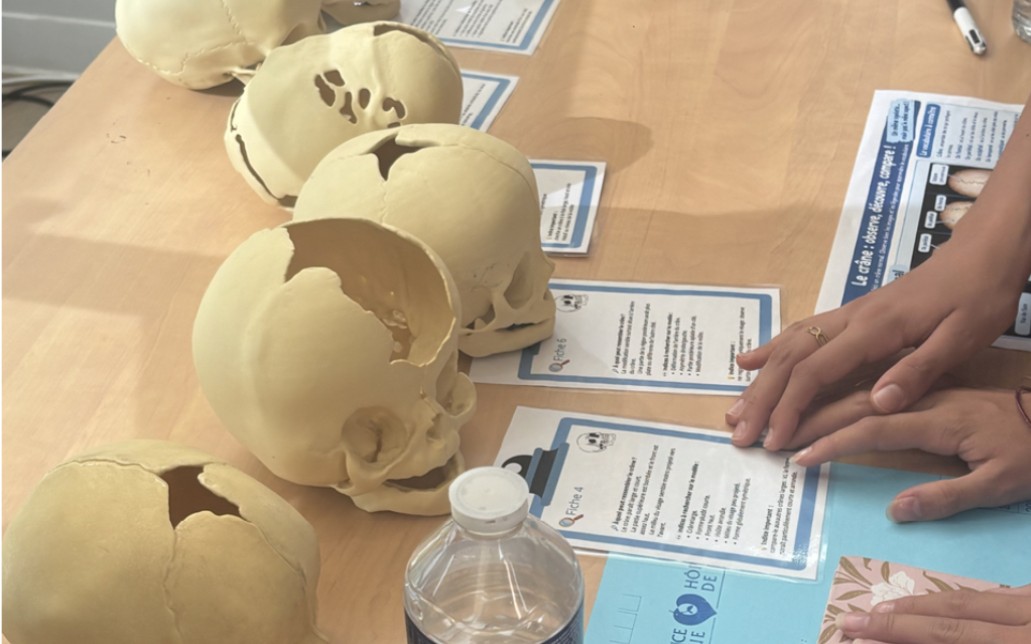
Science Festival: 90 middle-school students discover rare diseases
On 5 October, 90 students in their final year of collège (troisième) took part in a day devoted to rare diseases at Necker - Enfants Malades Hospital, organised for the Science Festival by four rare-disease reference centres — including CRMR CRANIOST — and the AP-HP.Centre – Université Paris Cité Rare Disease Expertise Platform. Through six workshops, the students investigated the "Mystère des Saveurs Disparues" (Mystery of the Vanished Flavours), built around the case of a fictional ten-year-old patient who came in with a loss of taste: examining skulls to see how a prematurely fused suture changes their shape, studying tissue under a microscope, reading medical images, building a family tree, sequencing DNA, and working out a karyotype. The day included a visit to the Craniofacial Growth and Form lab.
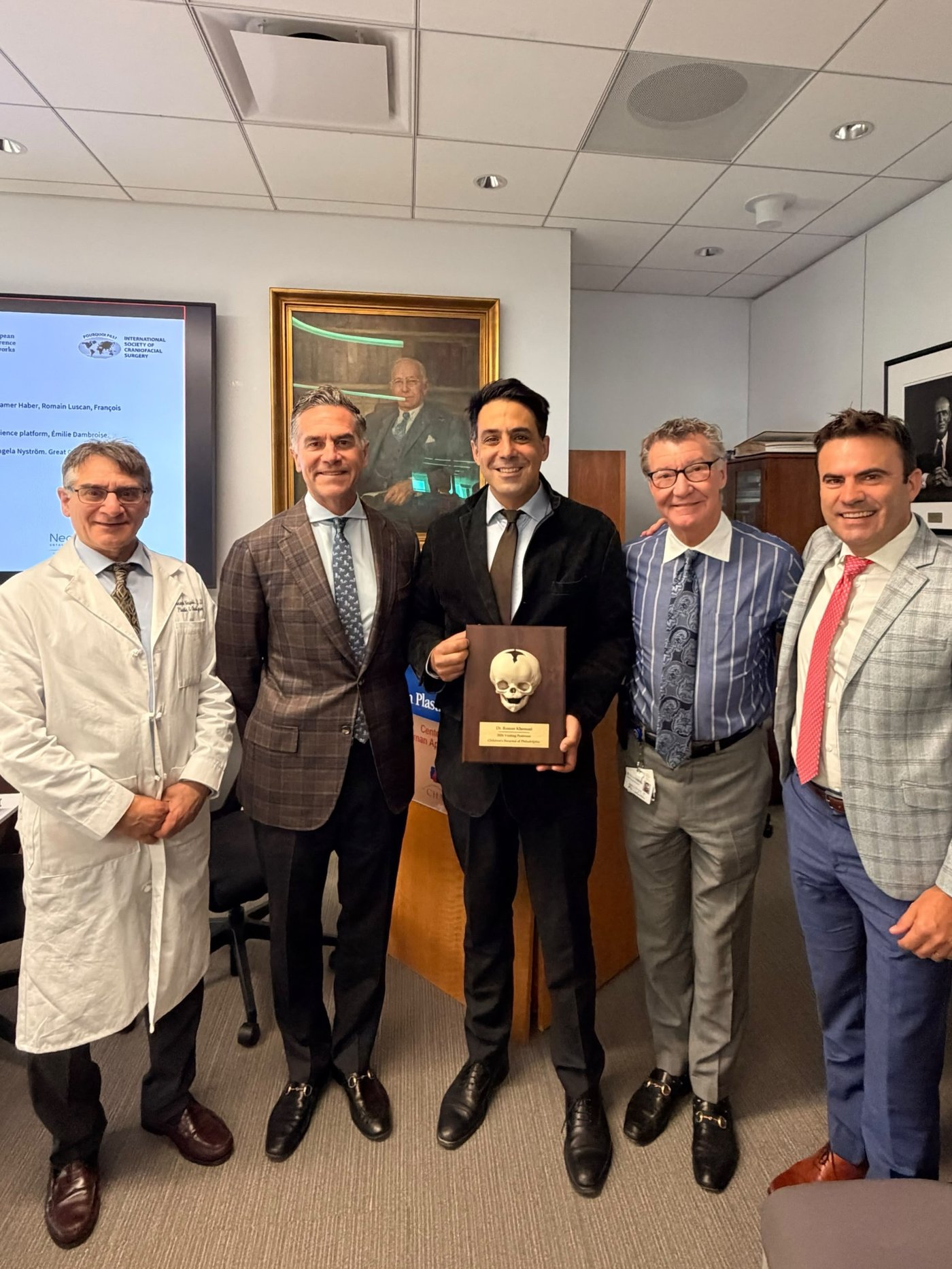
Roman Hossein Khonsari, visiting professor at Children's Hospital of Philadelphia
Roman Hossein Khonsari was a visiting professor at the Children's Hospital of Philadelphia (CHOP), with the CHOP craniofacial surgery team led by Drs Jesse Taylor and Jordan Swanson, sharing time in the operating room together.
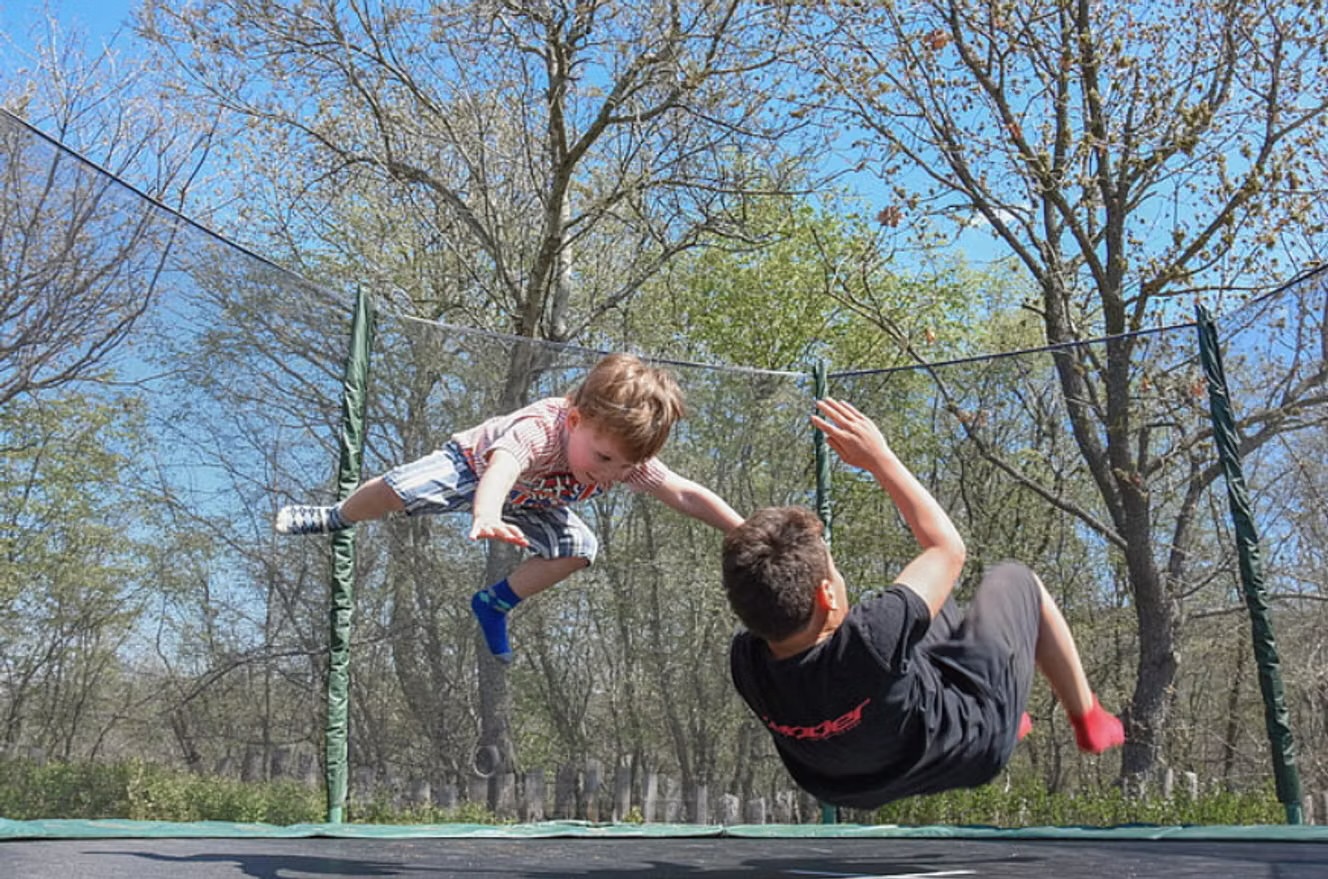
Trampolines: an underestimated risk of injury in children
Le Monde devotes a long feature to the traumatic risks of trampolines for children and teenagers, opening with the case of a nine-year-old boy who lost part of his lip and chin after falling onto a fence. Treated by the maxillofacial and plastic surgery department at Necker - Enfants Malades Hospital, he underwent salvage surgery with intensive leech therapy to compensate for the reimplanted fragment's lack of venous drainage. This case, published by Roman Hossein Khonsari's team in the Journal of Stomatology, Oral and Maxillofacial Surgery, illustrates the potential — if rare — severity of trampoline-related craniofacial injuries, an activity otherwise responsible for a growing share of pediatric emergency visits.
New publication: when Virchow's law fails, Crouzon syndrome as a test case
A study led by Feline Steup and Eline Groenenboom (co-first authors), with Lara van de Lande and Maxime Taverne (co-senior authors), Ombline Delassus, Giovanna Paternoster and Roman Hossein Khonsari, with the Muséum national d'Histoire naturelle and University College London. Crouzon syndrome, a syndromic craniosynostosis linked to FGFR2 mutations, produces a highly variable cranial phenotype that classical growth rules such as Virchow's law explain poorly. By continuously quantifying calvarial suture closure on CT scans from children with bicoronal craniosynostosis and age-matched controls, then analysing the reconstructed endocranial shape with 3D morphometrics, the study found that in Crouzon patients suture status covaries strongly with coherent shape changes — while this link stays weak in controls, with no one-to-one mapping between suture closure patterns and morphological clusters. These findings show that suture-based models fail to predict cranial shape in syndromic craniosynostosis, and propose Crouzon syndrome as a test case for quantitative models treating the skull and brain as one coupled system.
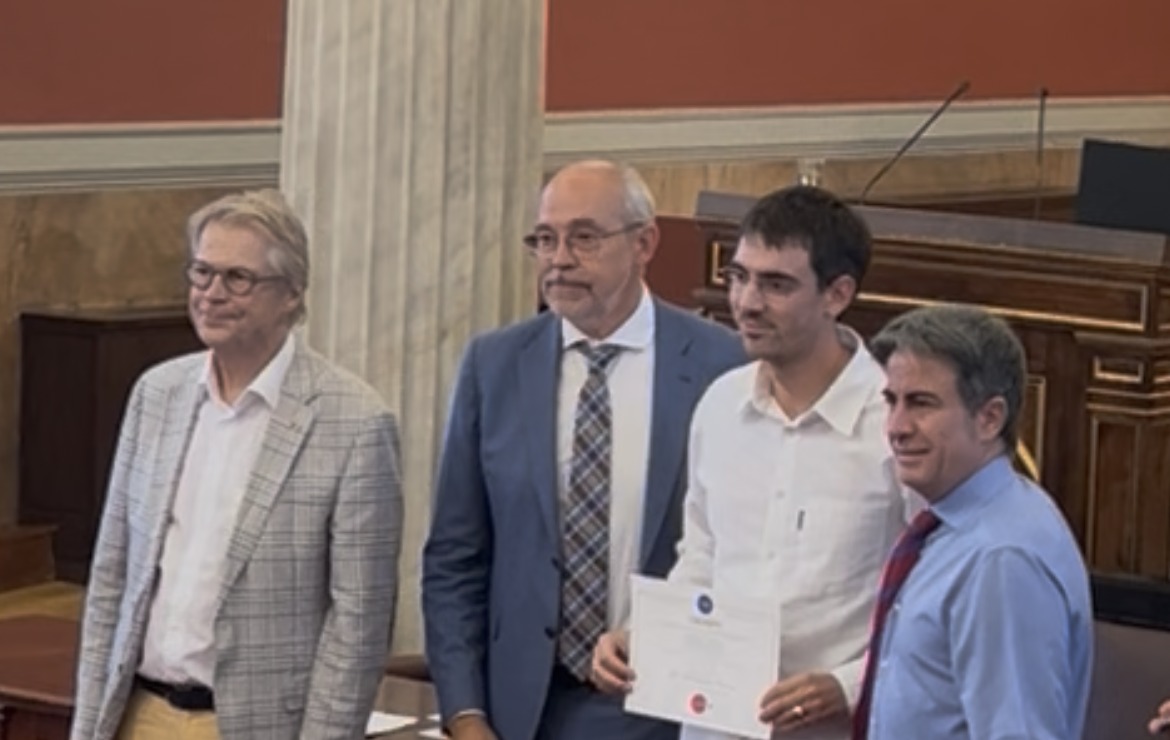
Quentin Hennocq becomes a Fellow of the European Board of Oro-Maxillo-Facial Surgery
Quentin Hennocq, a maxillofacial surgeon at AP-HP and scientific director of AIDY, becomes a Fellow of the European Board of Oro-Maxillo-Facial Surgery (EBOMFS), following the biennial assessment held in Athens from 12 to 14 September 2026. This European qualification, awarded through an international examination held since 1996, attests to a high level of training in maxillofacial surgery.
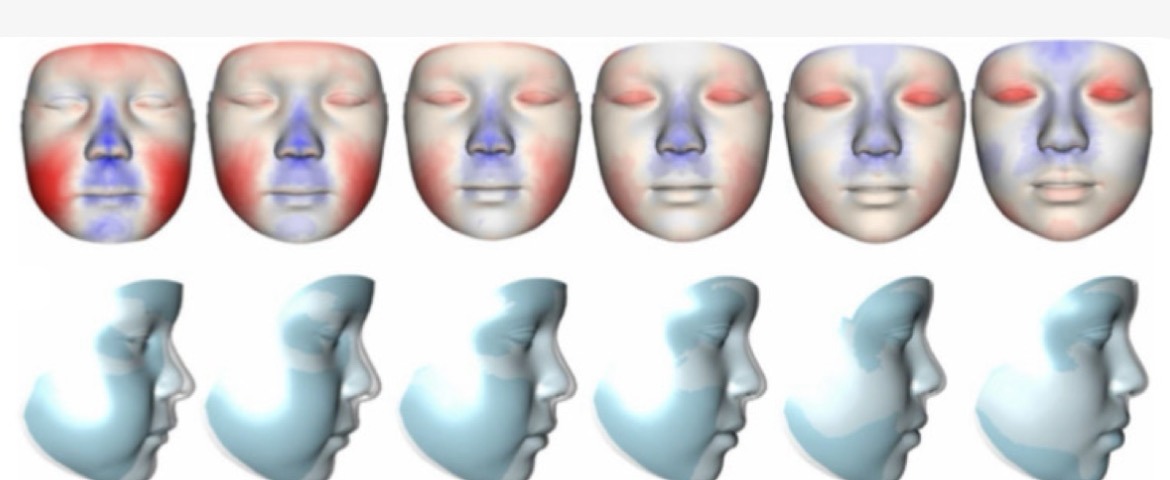
New publication: diagnosing rare diseases from facial phenotype, the Stickler syndrome case
A study by the Craniofacial Growth and Form lab and the AIDY team, led by Adèle Rohée-Traoré with Maxime Taverne, Quentin Hennocq and Roman Hossein Khonsari. Stickler syndrome, a rare genetic disorder caused by collagen-gene mutations, carries a high risk of retinal detachment that is often diagnosed late for lack of recognised warning signs. Supervised machine-learning models applied to 2D and 3D facial photographs distinguished patients with Stickler syndrome from controls with 92% accuracy, rising to 96% when focusing on the orbitonasal region in 3D — supporting facial phenotyping as a non-invasive screening tool to reduce diagnostic delay.
"Care, research and teaching enrich my everyday practice with patients"
A profile of Roman Hossein Khonsari on « Voix de soignants », Fed Medical's podcast, interviewed by Cecilia Krummenacker. A pediatric maxillofacial surgeon at Necker - Enfants Malades Hospital, professor at Université Paris Cité and head of the Craniofacial Growth and Form lab at Institut Imagine, he discusses his career and his conviction that care, teaching and research form a single profession, touching on PRIM3D, his partnerships with artists in hospitals, and his work in war zones.
Metamorphoses of Education: L'Institut's 5th annual event
Roman Hossein Khonsari, a member of L'Institut's (Onepoint) Scientific Council, speaks on 13 October 2026 in Paris at « Métamorphose(s) de l'Éducation », L'Institut's 5th annual event, alongside Frédérique Vidal, former minister and director of strategy and scientific impact at Skema Business School. The event will also see the launch of L'Institut's third book devoted to the metamorphoses of education.
Renewal of the AP-HP Foundation's Scientific Council
The AP-HP Foundation announces the renewal of its Scientific Council, the strategic body that ensures the excellence of projects funded by public generosity across the AP-HP's 38 hospitals. The Council, which brings together ten figures recognized for their medical expertise and hosts annual events such as the Scientific Conference and the Scientific Prizes (Grand Prix, Prix Avenir, Prix Horizon), elected Pr Gabriel Steg as its president at its first plenary meeting. Roman Hossein Khonsari, a pediatric maxillofacial surgeon at Necker - Enfants Malades Hospital and founder of the PRIM3D innovation platform, is one of its members.
New craniofacial mission in Kyiv
New mission of the Necker craniofacial surgery team in Kyiv, at the Ohmatdyt children's hospital, as part of the France–Ukraine craniofacial surgery collaboration led by Roman Hossein Khonsari. Two videos from the mission: video (YouTube) · reel (Instagram).
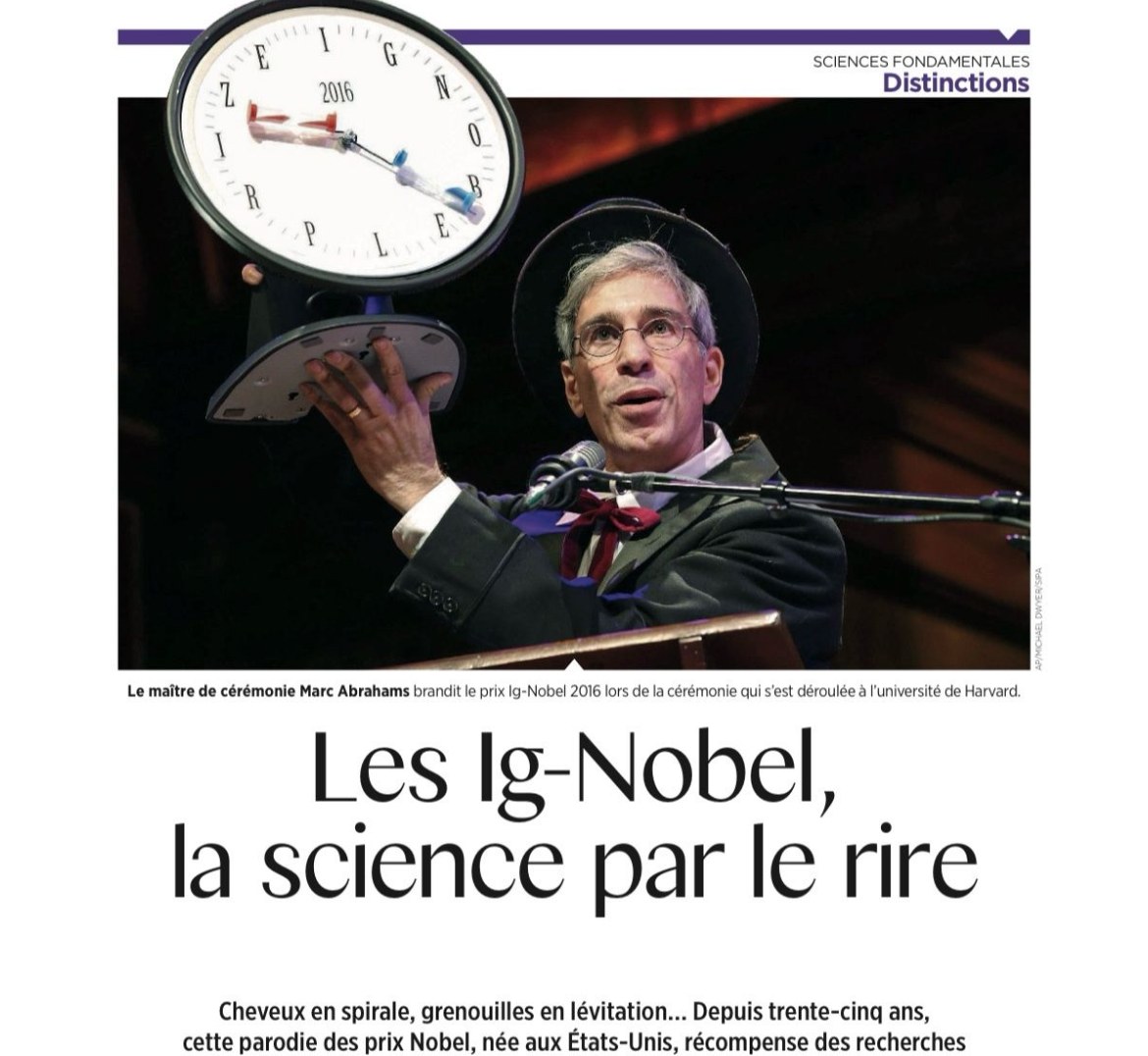
The Ig Nobels, science through laughter
A feature on the Ig Nobel Prize's 36 years and its 36th edition, leaving the United States for the first time to be held in Zurich, Switzerland, on 3 September 2026. The article thanks Marc Abrahams, creator of the Ig Nobels, and laureates Roman Hossein Khonsari and Marjolaine Willems (2024 Ig Nobel Prize in Anatomy for their study on the rotation direction of hair whorls) and Julie Mennella.
Choosing and prioritizing the right AI use cases in healthcare
A qualifying course at Université Paris Cité, in which Roman Hossein Khonsari teaches, helping healthcare professionals identify and prioritize relevant AI use cases in healthcare.
2026-2027 training cycle on Jean Delaire's cephalometric analysis
Registration is open for the 2026-2027 training cycle on Jean Delaire's cephalometric analysis and dento-facial dysmorphoses, coordinated by Pierre Corre (Nantes University Hospital). Four one-and-a-half-day sessions run through the school year: theoretical foundations (27-28 November 2026), diagnosis and treatment of Class II (5-6 February 2027), Class III (9-10 April 2027), facial asymmetries (4-5 June 2027).
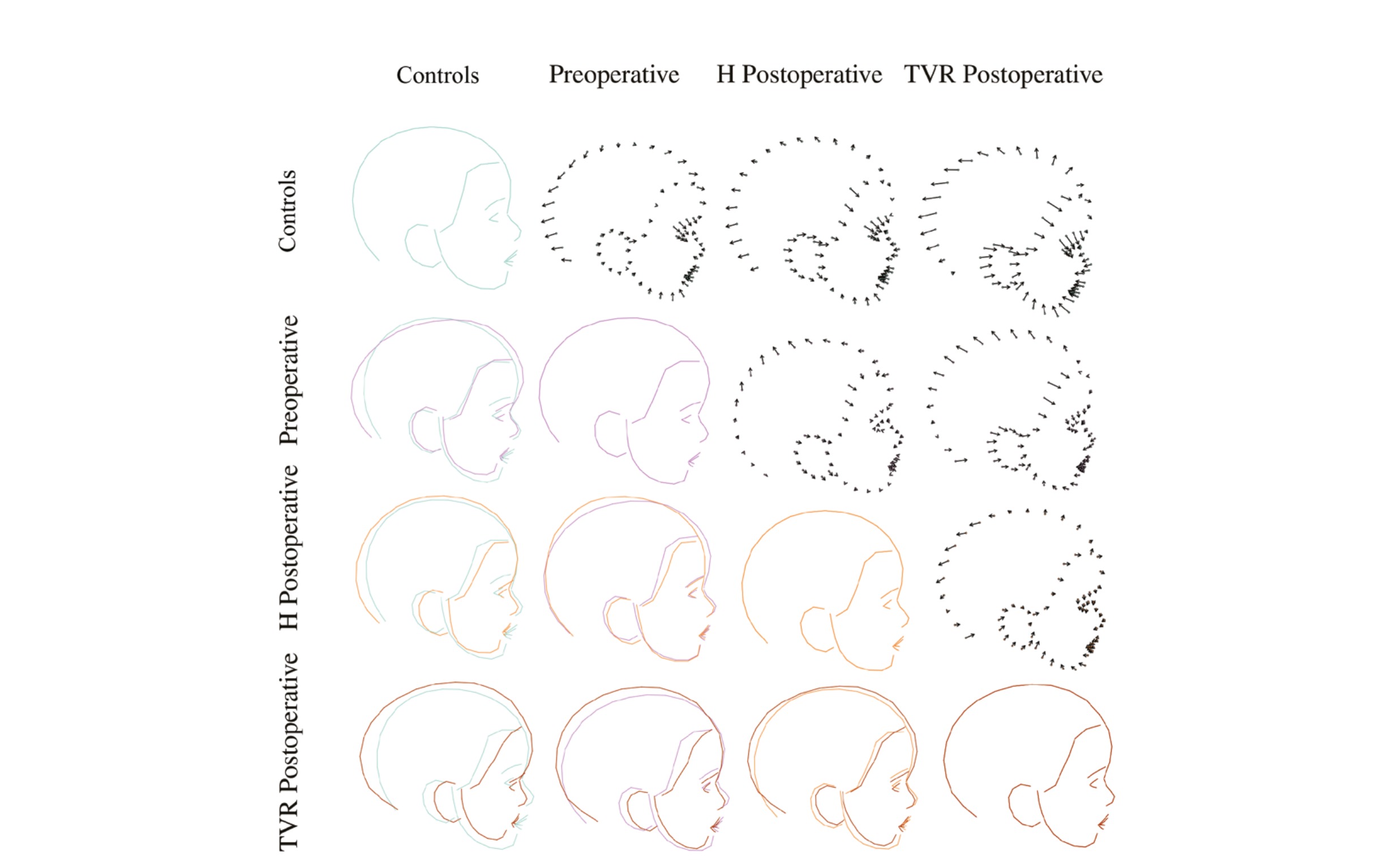
New publication: Renier H-cranioplasty modifies skull shape more than total vault remodeling in scaphocephaly
A study conducted as part of Steeven Bibas's medical thesis, supervised by Roman Hossein Khonsari and Quentin Hennocq, with the AIDY team. It uses artificial intelligence to compare skull morphology in 358 patients with nonsyndromic scaphocephaly, treated with either Renier H-cranioplasty or total vault remodeling (TVR). Early Renier H-cranioplasty reduces the skull's anteroposterior diameter more effectively than late TVR, but neither technique fully normalizes skull shape after surgery.
What do the mysterious Toulouse skulls reveal?
A look back at the Toulouse skulls, 19th-century remains resulting from a practice of intentional infant skull deformation that long puzzled archaeologists, informed by the research of Roman Hossein Khonsari, author of the book Le crâne toulousain.
Ukraine: a surgeon's fight alongside the wounded
A profile of Roman Hossein Khonsari, pediatric maxillofacial surgeon at Necker - Enfants malades Hospital, on his work with wounded patients in Ukraine alongside Prof. Chloé Bertolus and Prof. Sylvie Testelin, including at the Superhumans center in Lviv dedicated to war-wounded patients, with ongoing remote collegial follow-up of the most complex cases.
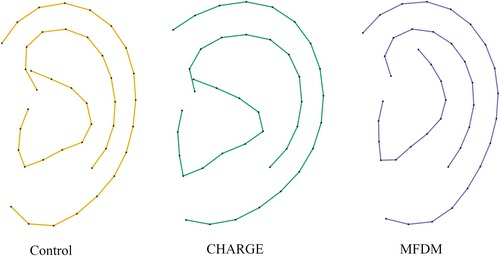
She finally knows the origin of her malformations
A profile of Olivia, 29, who has Guion-Almeida syndrome, a rare genetic disease causing facial malformations, cognitive difficulties, and various pains, diagnosed after twenty-eight years of medical wandering thanks to AIDY: the app compares a patient's facial photos against a database of more than a million pictures covering over 1,000 diseases, built up since the 1970s at Necker - Enfants Malades Hospital. The diagnosis allowed Quentin Hennocq, a maxillofacial surgeon at Pitié-Salpêtrière Hospital (AP-HP), to operate on Olivia under good conditions and rebuild her jaw with a bone graft. The article also cites Roman Hossein Khonsari, the project's co-developer, and Nicolas Garcelon, head of the data science platform at Institut Imagine. The same shape-recognition approach, applied to the external ear, was published in Prenatal Diagnosis.

Hospital: 3D printing for precision medicine
A feature on the PRIM3D platform and Necker's maxillofacial surgery department, with an interview of Roman Hossein Khonsari on custom-made cranial reconstruction.
Prof. Roman Khonsari (Necker-Enfants Malades): "Teams decide before each intervention what they will do in case of an alert"
An interview with Roman Hossein Khonsari on his hospital cooperation missions in Ukraine, alongside Prof. Chloé Bertolus and Prof. Sylvie Testelin, including at the Superhumans center in Lviv dedicated to war-wounded patients. He explains how surgical teams decide in advance, before each operation, what they will do if air-raid sirens sound.
The future of predictive medicine
An essay by Roman Hossein Khonsari on the future of predictive medicine: mechanistic and statistical modeling, digital twins (including a craniofacial digital twin and the lab's AIDY project as examples), health-data governance (SNDS, the Health Data Hub, sovereignty debates), and the case of pediatric craniofacial surgery, where predicting growth is a central challenge. Published in Spirale magazine's "Does the human of the future have a future?" dossier.
Guest profile: Roman Hossein Khonsari, pediatric maxillofacial surgeon
A profile of Roman Hossein Khonsari, pediatric maxillofacial surgeon and founder of a surgical-training network in Georgia, Armenia, and Ukraine.
2024 Ig Nobel Prize in Anatomy for a study on hair whorls
Roman Hossein Khonsari, Marjolaine Willems, and their team received the 2024 Ig Nobel Prize in Anatomy for their study on whether the hemisphere of birth influences the rotation direction of hair whorls, covered among others by the Korean children's science magazine Kids Science Donga (issue 21, 1 November 2024) and by Epsiloon (issue 43, January 2025).
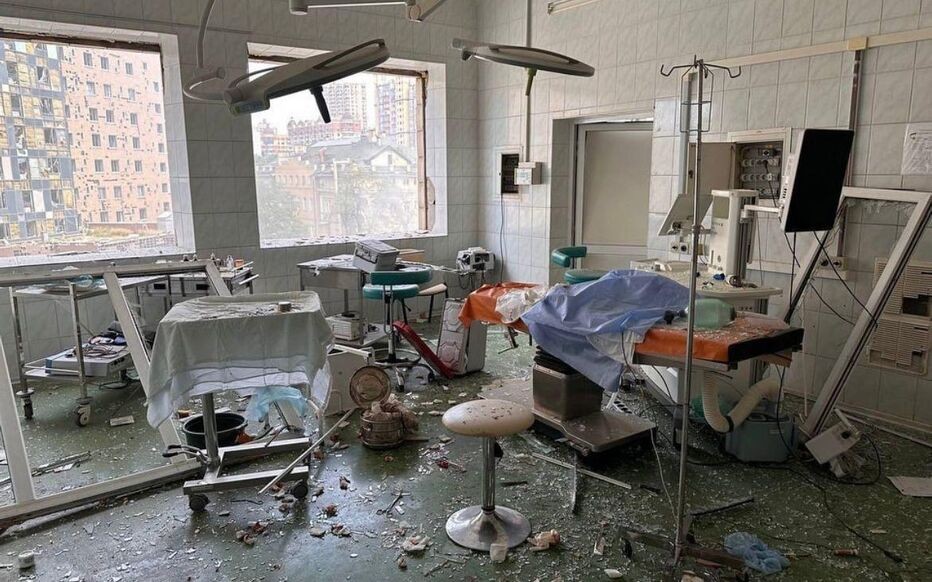
Children's hospital bombed in Kyiv: "The operating room is completely destroyed"
On 8 July 2024, a Russian missile struck the Okhmatdyt children's hospital in Kyiv — the "Ukrainian Necker," which has treated children for 130 years — killing a 30-year-old pediatrician and the parent of a sick child. Roman Hossein Khonsari, who had been operating there just days earlier, describes the extent of the damage and stresses the importance of his collaboration with Ukrainian surgeons.
Emma Blanc-Tailleur creates medical drawings and diagrams
A video report from the operating room of Necker - Enfants malades Hospital, following Emma Blanc-Tailleur, scientific and medical illustrator in Prof. Roman Hossein Khonsari's maxillofacial surgery department, drawing the stages of an operation live.
"At AP-HP, we can custom-make almost any object"
An interview with Roman Hossein Khonsari on AP-HP's 3D-printing service, now PRIM3D, and its use in manufacturing custom medical devices.
White phosphorus burns: an international legal gap
In the ENS alumni magazine's issue on fire, Roman Hossein Khonsari, an ENS alumnus and director of the Forme et Croissance du Crâne lab, describes the clinical effects of white phosphorus burns and the ambiguities of the international law surrounding them.
Engineers in the service of health
A report by the Arts et Métiers Think Tank on the growing role of engineers within the healthcare system — new professions, new training programs, and new spaces for cooperation between doctors and engineers. Roman Hossein Khonsari took part in the working group behind this report.
Emma Blanc-Tailleur is a medical illustrator — she explains her unusual profession
A video profile of Emma Blanc-Tailleur, a scientific and medical illustrator trained at École Estienne, who draws the stages of operations in India ink in the maxillofacial surgery department of Necker - Enfants malades Hospital, alongside Prof. Roman Hossein Khonsari. Her drawings are used to train medical students and to explain procedures to families.
The Health Data Hub — Better coordinating medical data for research
With Louis Viard and Agathe Delaune, Roman Hossein Khonsari, then medical director of the Health Data Hub, explains how to better organize French health data for research.
Emergency medical 3D printing
With Jeanne Bertrand, Roman Hossein Khonsari retraces the origin of the Port-Royal 3D-printing "farm," set up in ten days at Hôpital Cochin during the first wave of Covid-19.
Emergency 3D printing: proof of concept from the Port-Royal initiative during the Covid-19 pandemic
A detailed account by Roman Hossein Khonsari of how the emergency 3D-printing platform at Hôpital Cochin worked, and what it achieved, during the pandemic.
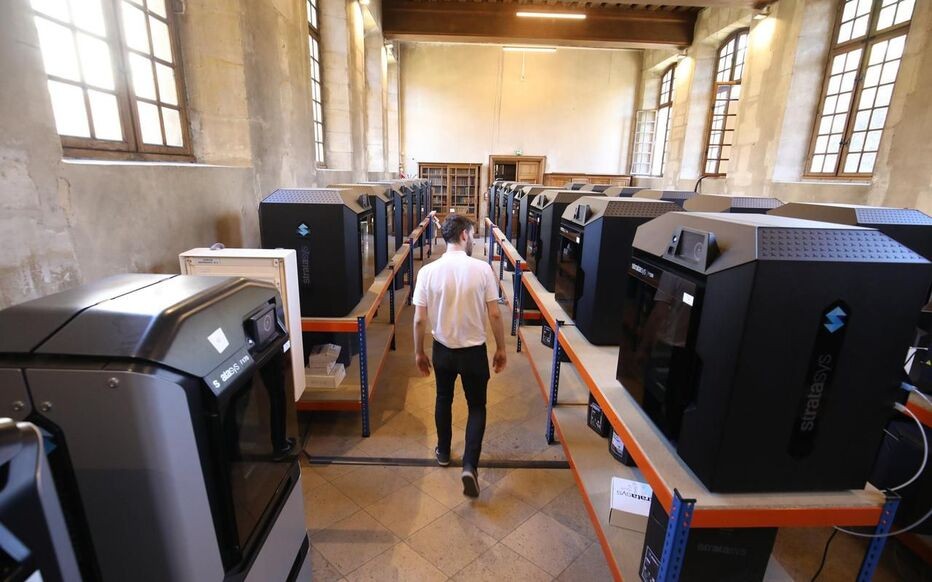
The incredible second life of the Paris hospitals' 3D printers
A report on the "second life" of the roughly sixty 3D printers installed at Hôpital Cochin (AP-HP) during the first wave of Covid-19, thanks to a €2 million donation from the Kering group. Launched by Roman Hossein Khonsari and Jérémy Adam (Bone 3D), the unit — which initially produced protective face shields — now makes custom medical equipment (cardiac-surgery parts, ICU head supports, mask adapters…), with more than a hundred different parts already produced and a dozen replication projects underway in France and abroad: the early days of what would become the PRIM3D platform.
Covid-19: when 3D printers save lives
An interview with Roman Hossein Khonsari, in charge of 3D printing for AP-HP, on deploying 60 3D printers at Hôpital Cochin to manufacture medical equipment during the first wave of Covid-19.
Necker Hospital, an outpost of tomorrow's surgery
A guided tour of Necker's maxillofacial surgery department: neuronavigation, robotics, and the 3D-printing platform led by Roman Hossein Khonsari, ahead of PRIM3D's launch.
Paris: a fascinating illustrated dive behind the scenes of the operating room
A profile of Christelle Téa and her India-ink drawings made in the maxillofacial surgery department of Necker - Enfants malades Hospital, during her artist residency alongside Prof. Roman Hossein Khonsari.