


aidy.eu
AIDY

Artificial intelligence for rare-disease diagnosis. From a simple front and profile photo, the AIDY app directs patients with rare diseases toward the right care pathway, with a geolocated referral.
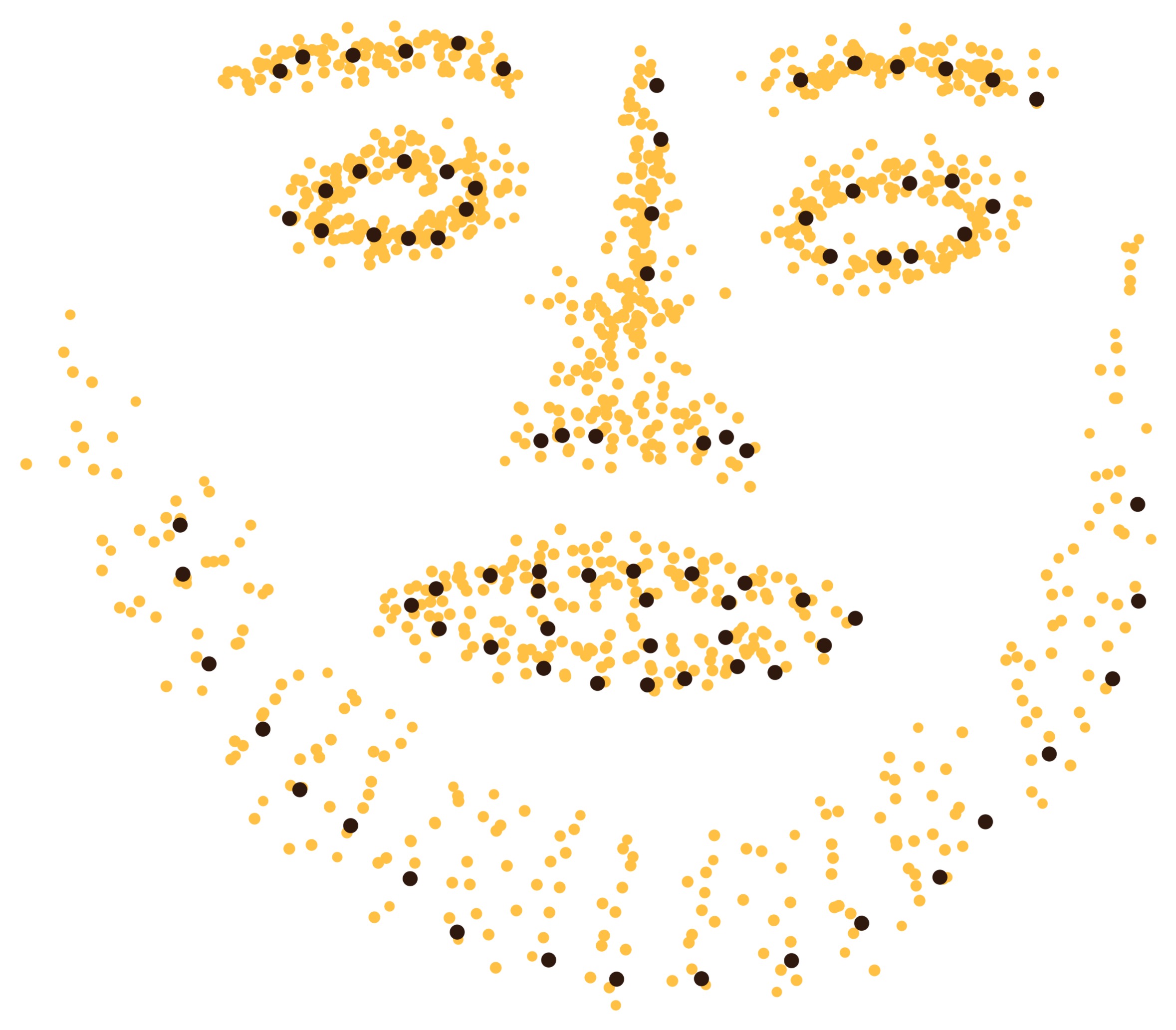
AIDY is a research project of the Forme et Croissance du Crâne lab, developed atNecker - Enfants malades Hospital and Institut Imagine under Prof. Roman Hossein Khonsari, in partnership with the AIDY association. Illustrations: Emma Blanc-Tailleur.
Visit aidy.eu →The problem
5 years of diagnostic wandering
According to the WHO, there are between 6,000 and 8,000 different rare diseases, affecting about 300 million people worldwide — about 3 million in France. 80% are genetic in origin and often affect children. On average, patients wait 5 years and see 8 doctors before getting a diagnosis.
900+
genetic syndromes detectable with distinctive facial features
10,000+
patients included in the database
85,000+
face photos analyzed (March 2026)
How it works
Photo analysis in seconds
Secure sign-in via the e-CPS portal or by invitation. The user photographs the face from the front and in profile in good lighting; the algorithm compares facial traits against AIDY's database and suggests a list of likely syndromes ranked by probability, with a geolocated referral to expert centers.
GDPR-compliant, hosted on HDS-certified (Hébergeur de Données de Santé) French servers; photos are not stored on AIDY's servers, only on the user's phone.
Medical device pending certification — does not replace a medical diagnosis.
Legal and regulatory framework
On the path to a certified medical device
Since June 2025, AIDY has been carried by a French non-profit association, founded by Institut Imagine, AFM-Téléthon, and Dr Antoine Ferry, so that every healthcare professional can use the tool free of charge. AP-HP and Orphanet are expected to join the association.
Data processing received a favorable opinion from the CNIL and CESREES (French data protection and health-research ethics authorities) in April 2024. Roadmap: a first, orientation-only version (no CE marking) in 2025, CE marking as a Class IIa medical device in 2026, then further development (including hand and foot analysis) in 2027.
Research
Synthetic faces and privacy
Teaching and diagnosing rare diseases relies on observing characteristic facial traits — but sharing these images creates a dilemma between transmitting knowledge and protecting patients. AIDY is developing a synthetic-face-generation method: from a small number of real diagnosed-patient photos, an AI learns the disease's characteristic traits and then generates hundreds of synthetic face variations — faithfully reproducing the phenotypic traits without reproducing any real patient's identity.
Team
Who's behind AIDY
AIDY is an association, founded by Institut Imagine and AFM Téléthon.
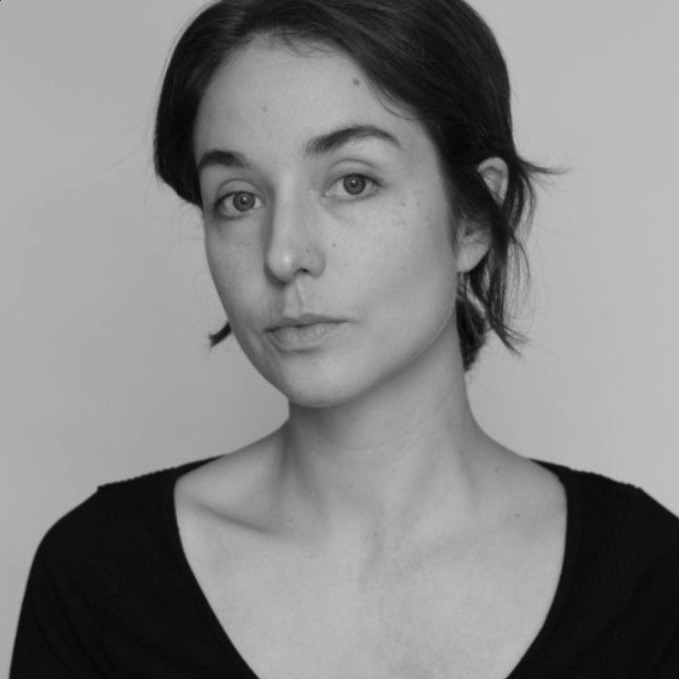
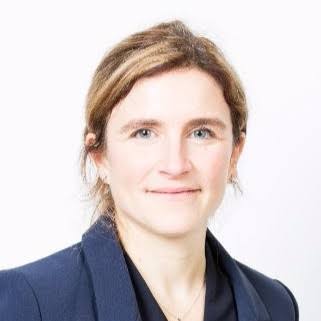





Former members

François Djate Delbrah
Researcher
Founders
Founding members
AFM Téléthon
Research
Publications
Diagnosis of rare diseases based on facial phenotype: a quantitative assessment using 2D and 3D photography in Stickler syndrome.
Evaluation of a New Inclusive Next-Generation Synthetic Face Tool for Dysmorphology.
Next Generation Phenotyping and Synthetic Faces in Coffin Siris Syndrome.
Humanitarian Facial Recognition for Rare Craniofacial Malformations.
Artificial intelligence-based diagnosis in fetal pathology using external ear shapes.
AI-based diagnosis and phenotype–genotype correlations in syndromic craniosynostoses.
Next generation phenotyping for diagnosis and phenotype–genotype correlations in Kabuki syndrome.
AI-based diagnosis in mandibulofacial dysostosis with microcephaly using external ear shapes.
An automatic facial landmarking for children with rare diseases.